Before Your Surgery: How to Prepare & What to Bring to Hospital
Prepare for surgery safely with expert tips on fasting, documents, hospital bag essentials, and recovery planning from Gani Hospital Ramanathapuram.
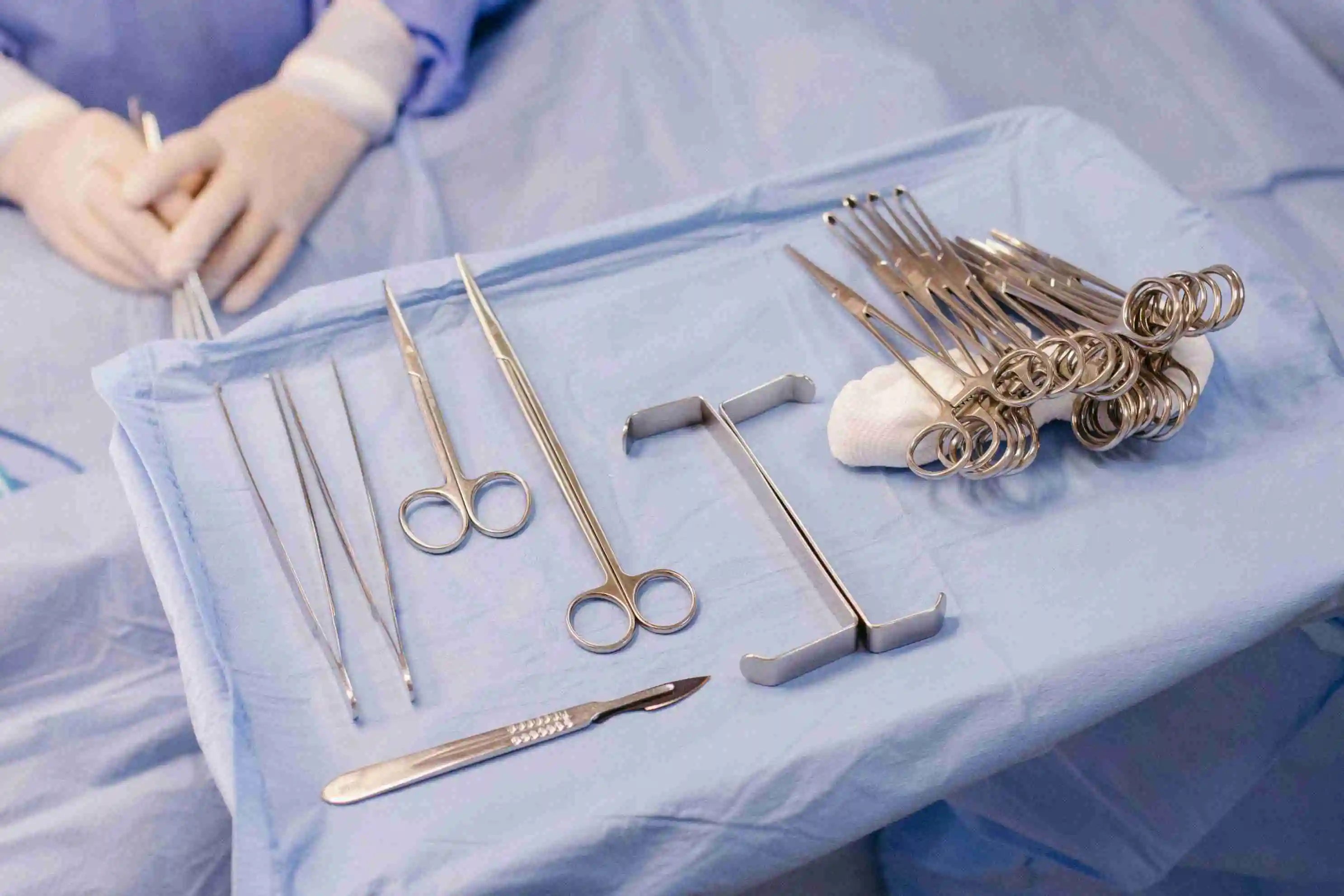
Introduction
Whether you are having a minor procedure or a major operation, proper before surgery preparation is essential for patient safety and smooth recovery. Good planning helps reduce delays, improves outcomes, and keeps anxiety under control.
Many patients feel nervous before surgery. Knowing what to expect, what to carry, and how to follow pre-surgery preparation tips can make the entire experience easier and more comfortable for you and your family.
At Gani Hospital, Ramanathapuram, our experienced doctors and surgical team guide every patient from pre-operative assessment through discharge with compassionate, patient-focused care. Learn more about our surgical services at Gani Hospital and how we support every step of your treatment.
Why Preparation Before Surgery is Important
Pre-surgery preparation is important because it reduces surgical risk, prevents last-minute cancellations, and supports faster healing after treatment. Patients who prepare properly experience fewer complications, shorter hospital stays, and better recovery outcomes.
Keeping medical reports ready, following doctor instructions, disclosing full medical history, and arriving on time can make hospital admission smooth and stress-free. A well-prepared patient also gives their body and mind the best possible foundation for treatment.
How to Prepare Before Surgery: Step-by-Step Guide
1. Follow Your Doctor's Instructions Exactly
Always follow your surgeon's specific instructions on medicines, fasting duration, tests required, and arrival time. Instructions differ between procedures, so avoid relying on general advice.
2. Complete Required Pre-Operative Medical Tests
Pre-operative tests such as blood tests, ECG, X-ray, ultrasound scans, urine tests, or specialist clearance may be required depending on your age, medical condition, and type of surgery. Get these done well in advance.
3. Share Your Full Medical History
Always inform your doctor about existing conditions such as diabetes, high blood pressure, asthma, thyroid disorders, heart disease, kidney problems, or any previous surgeries. Hiding medical history can lead to complications during anesthesia.
4. Disclose All Current Medicines
Tell your doctor about every tablet, injection, vitamin supplement, herbal product, or blood thinner you take. Some medicines must be stopped or adjusted before surgery to reduce bleeding risk.
5. Stop Smoking and Alcohol Before Surgery
Stopping smoking and alcohol at least 1–2 weeks before surgery improves anesthesia safety, reduces bleeding risk, and promotes faster wound healing after the procedure.
6. Get Adequate Rest the Night Before
Good sleep before surgery helps your body stay physically and mentally prepared. Avoid staying up late, and do not take sleep medicines unless prescribed by your doctor.
7. Arrange Trusted Transportation and Support
Arrange for a responsible family member or friend to accompany you to the hospital and assist you during discharge. Patients should not drive themselves after surgery due to anesthesia effects.
8. Follow Skin Preparation Instructions if Given
Some surgeons provide instructions to shower with antiseptic soap or shave a specific area before surgery. Follow these instructions carefully to reduce infection risk.

What to Bring to Hospital for Surgery: Complete Checklist
Knowing what to bring for surgery at a hospital helps avoid last-minute stress on the day of your procedure. Here is a complete checklist:
- Government ID proof (Aadhaar card, voter ID, passport)
- Hospital registration papers and admission letter
- Insurance card or pre-authorization approval documents
- All previous medical reports, lab results, and scan images
- Current prescription and medicine list
- Comfortable, loose-fitting clothing for before and after surgery
- Non-slip slippers and personal hygiene items
- Mobile phone and charger
- Spectacles, hearing aids, or dentures if used
- Written list of emergency contact numbers
- Small bag for personal belongings
- Sufficient cash or digital payment method for hospital charges
Important: Avoid bringing expensive jewelry, excess valuables, or large amounts of cash. Hospitals are not responsible for lost personal items.
Need to know more about admission procedures? Visit our contact page at Gani Hospital or speak to our patient care team directly.
Fasting Rules Before Surgery: What You Need to Know
Fasting before surgery is a critical safety requirement for most procedures involving general or spinal anesthesia. An empty stomach reduces the risk of aspiration (stomach contents entering the lungs) during anesthesia.
- Follow the exact fasting duration given by your surgeon or anesthesiologist
- Do not eat, drink, or chew gum unless specifically permitted
- Take approved medicines with only a small sip of water if instructed
- Ask whether your diabetic medicines or insulin need to be adjusted before fasting
- Inform the nursing staff immediately if you accidentally ate or drank before surgery
Note: Incorrect fasting may result in the surgery being postponed for your safety. Always follow your doctor's instructions carefully.
What to Wear on Surgery Day
Wear loose, comfortable clothing on the day of your surgery. Avoid makeup, nail polish (which can interfere with oxygen monitoring), jewelry, watches, and contact lenses unless specifically approved by your doctor.
Keep all valuables safely at home. Tie long hair neatly. Comfortable clothing makes changing into the surgical gown easier and reduces discomfort during recovery.
Important Questions to Ask Your Surgeon Before Surgery
Every patient has the right to understand their procedure. Ask your surgeon these important questions before your operation:
- What type of surgery is being done and why?
- How long will the procedure take?
- Will I need general anesthesia, spinal, or local anesthesia?
- How many days will I stay in the hospital?
- What are the possible risks or complications?
- When can I eat, walk, bathe, and return to normal activity?
- When can I go back to work?
- What medicines will I need after surgery?
- What warning signs should I watch for at home?
To discuss your surgery in detail, book an appointment with our specialist doctors at Gani Hospital Ramanathapuram.
After Surgery: Early Recovery Tips for Patients
Proper recovery after surgery depends on following doctor instructions, taking prescribed medicines on time, caring for your wound, staying hydrated, and getting adequate rest.
Key early recovery tips:
- Take all medicines on time and complete the full course of antibiotics
- Keep the wound clean and dry as instructed by your nurse
- Eat protein-rich foods to support tissue healing
- Drink enough fluids to prevent dehydration
- Perform gentle walking if advised by your doctor to improve circulation
- Avoid lifting heavy objects, strenuous exercise, or driving until cleared
- Attend all follow-up appointments as scheduled
For complete post-operative care support, visit our services page at Gani Hospital to learn about the recovery facilities available in Ramanathapuram.
Warning Signs After Surgery: When to Seek Immediate Help
Contact your hospital or doctor immediately if you experience any of the following after surgery:
- High fever (above 38.5°C or 101.3°F)
- Excessive bleeding from the wound or surgical site
- Severe pain not controlled by prescribed medicines
- Difficulty breathing or chest tightness
- Redness, swelling, warmth, or pus from the wound (signs of infection)
- Persistent vomiting or inability to keep food down
- Sudden weakness, dizziness, or confusion
- Swelling or pain in the legs (possible blood clot)
Do not ignore these post-surgery warning signs. For emergencies, contact Gani Hospital Ramanathapuram immediately.
Surgical Care at Gani Hospital Ramanathapuram
Gani Hospital, Ramanathapuram provides safe, patient-focused surgical care with experienced surgeons, trained nursing staff, modern operation theatre infrastructure, and dedicated post-operative monitoring facilities.
Our surgical team follows standard pre-operative protocols and international safety guidelines to ensure every patient receives the best possible care from admission to recovery.
- General surgery and specialist surgical procedures
- Pre-operative medical assessment and counseling
- Safe anesthesia monitoring by qualified anesthesiologists
- Hygienic, well-equipped operation theatres
- Clean and comfortable post-surgery recovery rooms
- Wound care and post-operative nursing support
- Structured follow-up appointments and discharge planning
- Emergency surgical support when needed
Explore our full range of surgical and medical services at Gani Hospital Ramanathapuram to learn how we can support your health and treatment.
Trusted Resources for Surgery Preparation
For additional medical information and patient guidance, refer to these trusted international healthcare resources:
Conclusion
Good before surgery preparation makes treatment safer, smoother, and far less stressful for both patients and families. Bringing the right documents, following fasting rules before surgery, wearing comfortable clothing, asking the right questions, and following doctor instructions are all essential steps for a successful surgical experience.
Choosing a trusted hospital with experienced surgeons and compassionate care further improves confidence and recovery outcomes.
For safe and trusted surgery care in Ramanathapuram, experienced doctors, and complete patient support, choose Gani Hospital.
Book your appointment at Gani Hospital today and let our team guide you through every step of your surgical journey.
Frequently Asked Questions About Surgery Preparation
Can I drink water before surgery?
Only if your doctor specifically allows it. Most surgeries require complete fasting — including no water — for a set number of hours before the procedure to ensure safe anesthesia.
Should I stop my regular medicines before surgery?
Some medicines like blood thinners, diabetes tablets, or certain supplements need adjustment before surgery. Always tell your doctor every medicine you take and follow their specific instructions carefully.
What if I accidentally ate before surgery?
Inform the hospital staff immediately. Eating before surgery increases the risk of complications under anesthesia, and your surgery may need to be rescheduled for your safety.
How early should I arrive at the hospital before surgery?
Usually 1–2 hours before the scheduled time, or as instructed by the hospital. Early arrival allows for pre-operative checks, paperwork, and preparation without rush.
Can family members stay with me before surgery?
Hospital visitor policies may vary. Confirm with our team during admission. At Gani Hospital Ramanathapuram, we provide clear guidance on family support arrangements.
Is it normal to feel scared before surgery?
Yes, pre-surgical anxiety is very common. Speaking with your surgeon, understanding the procedure, and asking questions can reduce fear. Our surgical counseling team at Gani Hospital is here to help.
What documents should I bring for surgery?
Bring ID proof, hospital registration papers, insurance approval, all medical reports and scan images, your prescription list, and emergency contact details. Refer to our complete checklist above.
Still have questions? Contact our patient care team at Gani Hospital Ramanathapuram — we are here to help.