Month by Month Pregnancy Guide: Symptoms, Baby Development & Care Tips
A complete month-by-month pregnancy guide covering symptoms, baby development, and essential care tips for every stage — from a trusted pregnancy care hospital in Ramanathapuram.
.jpeg)
Introduction
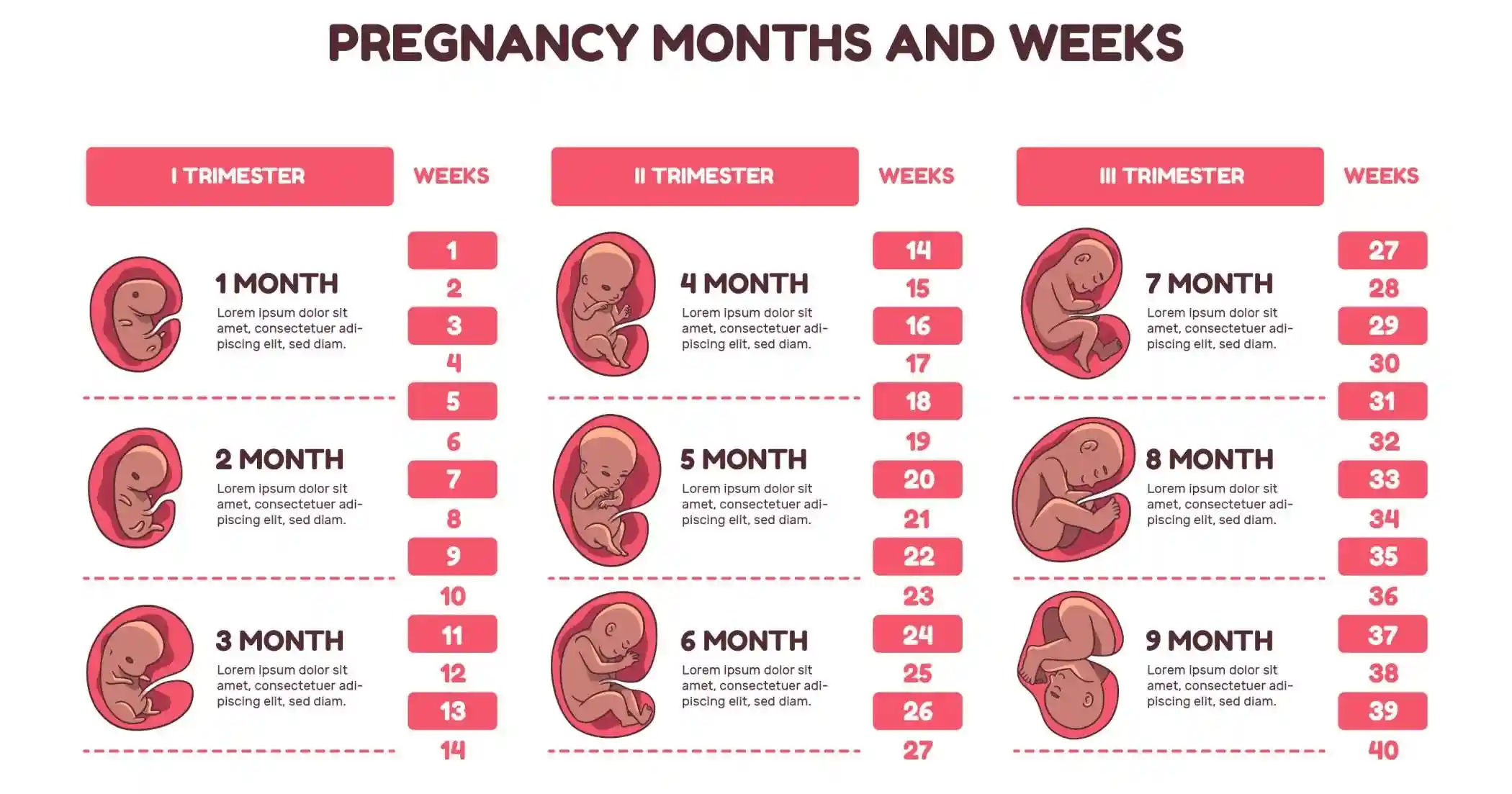
A month by month pregnancy guide helps expectant mothers understand the changes happening in their body and their baby's development at every stage. Pregnancy lasts around 40 weeks and is divided into three trimesters — the first, second, and third. Each trimester brings its own set of pregnancy symptoms, milestones, and care requirements.
Understanding pregnancy month by month helps reduce anxiety, improves preparation, and ensures better prenatal care. From early pregnancy symptoms like nausea and fatigue to final delivery preparation, every month plays a vital role in the health of both the mother and baby.
Whether you are a first-time mother or have been through pregnancy before, knowing what to expect at each stage makes the journey much smoother. This guide covers baby development, common pregnancy symptoms, and essential pregnancy care tips for each month. For trusted pregnancy care in Ramanathapuram, Gani Hospital offers expert gynecologist consultations and full maternity support from the first trimester through delivery and beyond.
First Trimester Pregnancy Guide (Month 1 to 3)
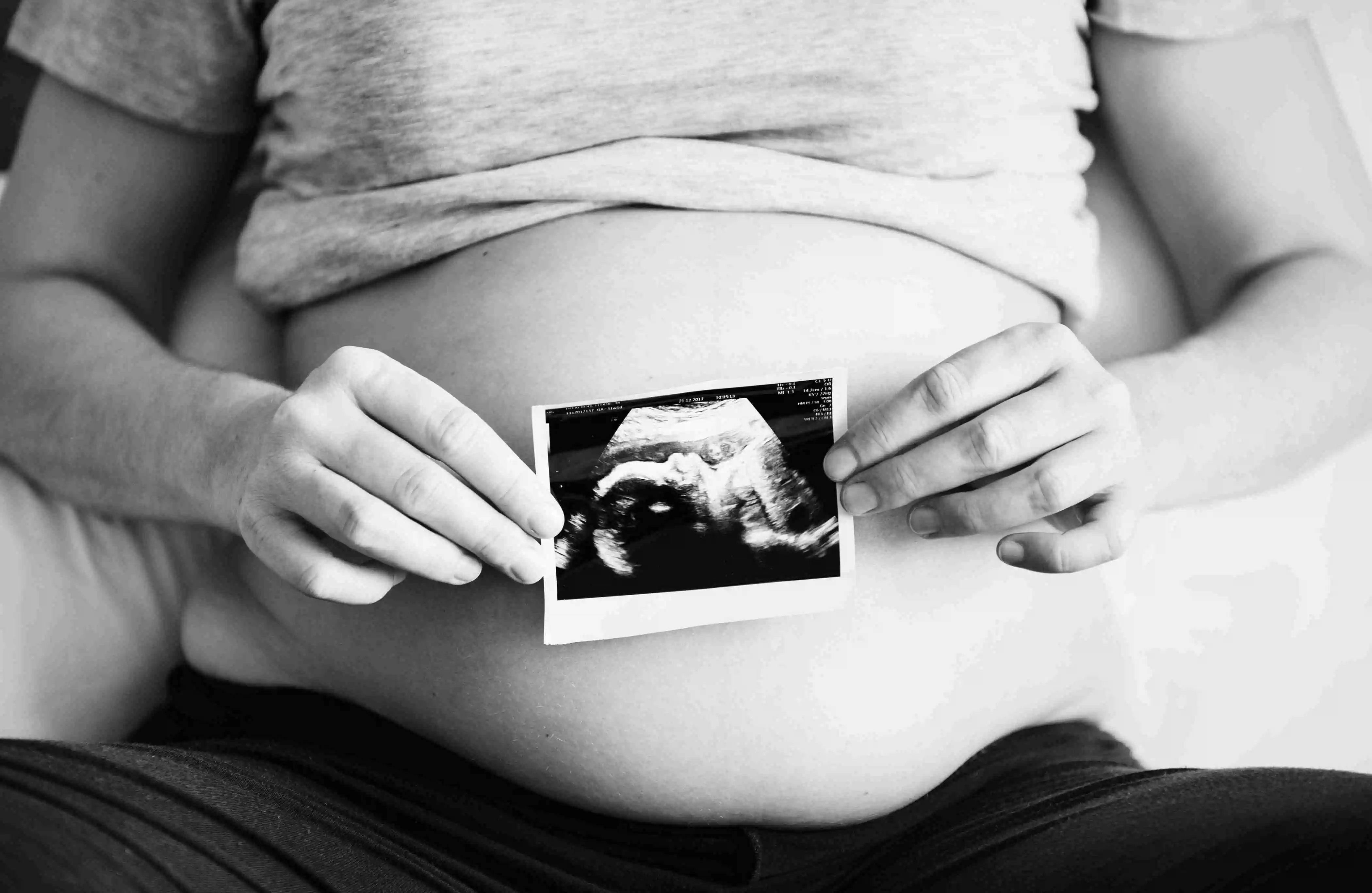
The first trimester (Month 1–3) is the most critical stage of the pregnancy journey because the baby's brain, heart, and major organs begin to develop. Many women experience early pregnancy symptoms as the body adjusts to hormonal changes. This is the stage where prenatal care and lifestyle choices have the greatest impact on baby development.
Month 1 – Fertilization & Early Signs
In the first month of pregnancy, fertilization and implantation take place. A missed period is often the earliest sign. Hormone levels rise rapidly, and some women may experience mild spotting or light cramping. This is the right time to confirm your pregnancy with a home test and schedule a visit with an experienced gynecologist.
- Fertilization and implantation occur
- Missed period is the first sign of pregnancy
- Start folic acid supplements immediately to prevent neural tube defects
- Avoid alcohol, tobacco, and unprescribed medicines
Month 2 – Hormonal Changes Begin
The second month brings noticeable pregnancy symptoms. Morning sickness, food aversions, and extreme tiredness are common as hormone levels peak. The baby's tiny heart begins to beat around week 6, and the neural tube — which becomes the brain and spinal cord — starts forming.
- Morning sickness and nausea begin
- Fatigue and mood changes are common
- Baby's heartbeat starts forming around week 6
- Breast tenderness and frequent urination increase
Month 3 – Baby's Organs Take Shape
By month three, the baby is now called a fetus and measures around 7–8 cm. Fingers, toes, and facial features become distinct. Most women have their first ultrasound scan during this month to confirm the due date and check for normal baby development. Morning sickness often begins to ease by the end of this month.
- Baby develops fingers, toes, and distinct facial features
- Nausea may reduce toward end of month
- First ultrasound scan is performed to confirm due date
- Risk of miscarriage drops significantly after week 12
Important: Avoid alcohol, smoking, and self-medication. Regular prenatal checkups are essential during this stage. Learn more about antenatal care at Gani Hospital — our gynecologist team guides you from day one.
Second Trimester Pregnancy Guide (Month 4 to 6)
The second trimester (Month 4–6) is often considered the most comfortable stage of pregnancy. Energy levels improve, and many early pregnancy symptoms like nausea and fatigue reduce significantly. This is also when mothers start feeling baby movements — one of the most exciting milestones in the entire pregnancy journey. The baby grows rapidly during this trimester and all major organs continue maturing.
Month 4 – Baby Bump Becomes Visible
The baby bump becomes noticeable as the uterus expands. Many mothers feel a surge of energy and appetite during this month. The baby is now around 10–12 cm long and can make facial expressions. Regular prenatal checkups help monitor growth and blood pressure.
- Visible baby bump appears as the uterus grows
- Energy levels increase and morning sickness fades
- Baby begins facial movements and can squint
- Blood tests for genetic conditions may be recommended
Month 5 – First Baby Movements (Quickening)
Around week 18–20, most mothers feel their baby move for the first time — a sensation called quickening. This month also includes the important anomaly scan, which checks the baby's organs, spine, and limbs in detail. Baby development accelerates as the senses begin to form.
- First baby movements felt (quickening) — a memorable milestone
- Anomaly scan (20-week scan) performed to check baby's anatomy
- Baby can hear sounds and may respond to voices
- Baby growth becomes clearly noticeable on ultrasound
Month 6 – Baby Responds to Sound
In month six, the baby's lungs and brain develop rapidly. The baby can now respond to light and sound from outside the womb. Mothers may begin to experience back pain, leg cramps, and skin stretching as the bump grows larger. Staying active with gentle exercise and maintaining good posture helps manage these discomforts.
- Baby responds to sound, light, and the mother's voice
- Back pain and leg cramps may increase
- Glucose screening test (gestational diabetes check) is recommended
- Baby weighs around 600–700 grams by end of month
Care Tip: Focus on a nutrient-rich diet including iron, calcium, and protein. Light exercise like walking is beneficial. Visit our maternity team in Ramanathapuram at Gani Hospital for personalised dietary advice and regular growth monitoring.
Third Trimester Pregnancy Guide (Month 7 to 9)
.webp "Third trimester pregnancy preparation for delivery")
The third trimester (Month 7–9) focuses on the baby's final growth phase and delivery preparation. Mothers may experience physical discomfort due to the increased size of the baby. This is the time to finalise your birth plan, attend regular prenatal checkups, and prepare emotionally and physically for labor and delivery. Choosing the right hospital with experienced gynecologists and proper maternity infrastructure is essential during this stage.
Month 7 – Baby Gains Weight Rapidly
In the seventh month, the baby's brain develops rapidly and the lungs begin maturing for breathing after birth. The baby opens its eyes and can distinguish light from dark. Weight gain for both the mother and baby accelerates. Shortness of breath is common as the growing uterus puts pressure on the diaphragm.
- Baby opens eyes and gains significant weight
- Shortness of breath may occur due to uterine pressure
- Regular prenatal checkups and ultrasound monitoring begin
- Baby's lungs start maturing in preparation for birth
Month 8 – Baby Moves into Position
By month eight, the baby typically moves into a head-down position in preparation for delivery. False labor contractions, called Braxton Hicks, may become more frequent. This is a good time to pack your hospital bag, finalize your birth plan, and complete your maternity registration at your chosen hospital.
- Baby moves into head-down position for natural delivery
- Braxton Hicks contractions start and may feel stronger
- Prepare and pack your hospital bag in advance
- Baby weighs approximately 2–2.5 kg by end of month 8
Month 9 – Ready for Delivery
The ninth month marks the final stage of pregnancy. The baby is fully developed and ready for birth. The baby drops lower into the pelvis — a process called lightening — making breathing easier but increasing pelvic pressure. Watch for signs of true labor such as regular contractions, water breaking, or bloody show.
- Baby is fully developed and ready for birth
- Frequent prenatal checkups required in final weeks
- Signs of labor — contractions, water breaking — may appear anytime
- Baby weighs between 2.7–3.5 kg at full term
Important: Monitor baby movements daily and be prepared for delivery at any time after 37 weeks. If movements reduce significantly, seek immediate medical attention. The expert gynecologist team at Gani Hospital provides round-the-clock maternity care and safe delivery support throughout the final trimester.
Essential Pregnancy Care Tips
Good pregnancy care is about more than just attending doctor visits. Daily habits and lifestyle choices directly impact the health of both mother and baby. Following these tips throughout your pregnancy helps reduce complications and supports healthy baby development.
- Drink 8–10 glasses of water daily to stay well hydrated
- Eat balanced and nutritious meals rich in iron, calcium, folate, and protein
- Take prenatal vitamins and folic acid regularly as prescribed by your gynecologist
- Get enough rest and sleep — aim for 7–9 hours per night; sleep on your left side in the third trimester
- Avoid stress and heavy physical work throughout pregnancy
- Attend all scheduled prenatal checkups and ultrasound scans without skipping
- Practice light exercises such as walking or prenatal yoga to stay active
- Avoid raw meat, unpasteurized dairy, alcohol, and excessive caffeine
- Wear comfortable, supportive footwear to reduce back and leg strain
- Attend childbirth preparation classes to understand labor and delivery options
At Gani Hospital, our gynecologist team provides personalised pregnancy care plans tailored to each mother's health needs, ensuring both mother and baby remain healthy throughout all three trimesters.
Warning Signs During Pregnancy
While most pregnancies progress without major complications, it is important to be aware of warning signs that require immediate medical attention. Never ignore unusual pregnancy symptoms — early intervention can be life-saving.
- Heavy vaginal bleeding at any stage of pregnancy
- Severe abdominal pain or persistent cramping
- High fever above 38°C (100.4°F) with chills or body ache
- Reduced or absent baby movements after 28 weeks — count kicks daily
- Blurred vision, severe headache, or sudden swelling of face, hands, or feet — possible signs of preeclampsia
- Burning or pain during urination — may indicate urinary tract infection
- Premature contractions before 37 weeks of pregnancy
- Leaking amniotic fluid or unusual vaginal discharge
If you experience any of these, contact Gani Hospital immediately for expert medical care. Our maternity emergency team in Ramanathapuram is available 24/7.
Trusted Resources for Pregnancy Care
For more detailed medical information and guidelines, you can refer to these trusted resources:
Pregnancy Care at Gani Hospital, Ramanathapuram
For safe and expert pregnancy care in Ramanathapuram, Gani Hospital provides complete maternity services trusted by hundreds of families across the region. From the first prenatal checkup to post-delivery recovery, Gani Hospital supports mothers at every stage of their pregnancy journey.
- Experienced gynecologists with years of maternity care and high-risk pregnancy expertise
- Advanced ultrasound facilities for accurate fetal monitoring at every trimester
- Safe and hygienic delivery environment with modern labor and operation theatres
- Personalized antenatal and postnatal care plans designed for each mother
- 24/7 emergency maternity support for high-risk and normal pregnancies
- Neonatal care unit for premature or special-needs newborns
Our dedicated team of gynecologists at Gani Hospital follows evidence-based pregnancy care protocols to ensure the safest outcomes for every mother and baby. Whether you are planning your first prenatal visit or approaching your delivery date, Gani Hospital in Ramanathapuram is here to provide the care and guidance you deserve.
Book Your Prenatal Checkup at Gani Hospital
Expert gynecologists and maternity specialists are here to guide you through every stage of your pregnancy journey.
Book an Appointment TodayFrequently Asked Questions
When should I visit a doctor after pregnancy confirmation?
Visit a doctor between 6 to 8 weeks of pregnancy for your first prenatal checkup. Early consultation helps confirm the pregnancy, check the baby's heartbeat, and start essential supplements like folic acid.
Which trimester is most important during pregnancy?
The first trimester is the most critical because the baby's major organs — including the brain, heart, and spinal cord — develop during this period. Any nutritional deficiencies or exposure to harmful substances during this stage can have lasting effects.
How many scans are required during pregnancy?
Typically, 3 to 4 ultrasound scans are recommended during a normal pregnancy: the dating scan (6–10 weeks), the nuchal translucency scan (11–14 weeks), the anomaly scan (18–20 weeks), and a growth scan in the third trimester. Additional scans may be advised based on the pregnancy condition.
What foods should be avoided during pregnancy?
Avoid raw or undercooked meat, unpasteurized dairy products, alcohol, excessive caffeine (more than 200 mg/day), raw eggs, and certain fish high in mercury (such as shark, swordfish, and king mackerel). Always consult your doctor for a personalised pregnancy diet plan.
What is the difference between Braxton Hicks contractions and real labor?
Braxton Hicks contractions are irregular, painless practice contractions that do not increase in intensity or frequency. Real labor contractions are regular, progressively stronger, longer, and closer together. If you are unsure, contact your healthcare provider immediately.
Is it safe to exercise during pregnancy?
Yes, light to moderate exercise such as walking, prenatal yoga, and swimming is generally safe and beneficial during pregnancy. It helps reduce back pain, improve mood, and prepare the body for labor. Always consult your doctor before starting any exercise routine during pregnancy.