Essential Prenatal Checkups: Pregnancy Tests & Scans You Should Not Skip
A complete guide to prenatal checkups, pregnancy tests, and ultrasound scans at every trimester — helping you ensure a safe and healthy pregnancy journey at Gani Hospital, Ramanathapuram.
.jpeg)
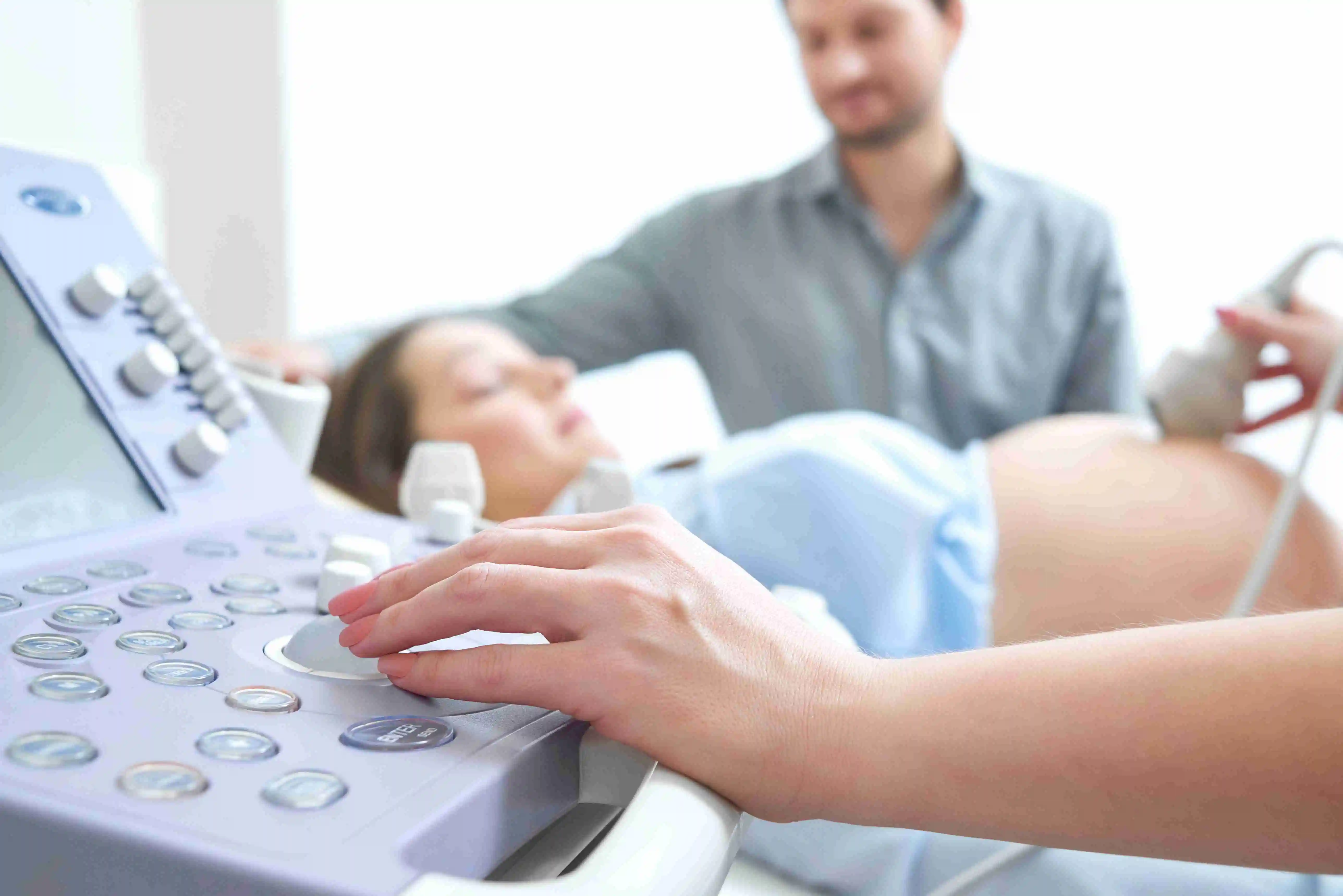
Introduction
Prenatal checkups are one of the most important steps in ensuring a safe and healthy pregnancy. These regular medical visits help gynecologists monitor the health of both the mother and baby, track fetal development, and detect complications early — before they become serious. From simple blood tests to detailed ultrasound scans, every prenatal checkup plays a critical role in your pregnancy journey.
Many women, especially first-time mothers, feel anxious about the number of tests and visits involved. Understanding what each prenatal test is for and why it matters can significantly reduce that anxiety and help you feel confident and prepared at every stage of your pregnancy.
This guide covers all essential prenatal checkups trimester by trimester — including when to schedule them, what they test for, and how Gani Hospital in Ramanathapuram supports mothers throughout the entire pregnancy care journey. For personalised guidance, explore our pregnancy care services today.
Why Prenatal Checkups Are Important
Skipping prenatal checkups — even when you feel healthy — can put both mother and baby at risk. Many serious pregnancy complications such as gestational diabetes, preeclampsia, and anaemia show no obvious symptoms in early stages and can only be detected through routine pregnancy tests and monitoring.
Regular prenatal checkups provide these critical benefits:
- Monitor baby growth and fetal development at every stage
- Detect complications early such as anaemia, infections, or chromosomal conditions
- Manage existing maternal health conditions like thyroid disorders, diabetes, or hypertension
- Ensure safe pregnancy and delivery through continuous medical oversight
- Provide emotional reassurance and reduce pregnancy-related anxiety
- Allow your gynecologist to personalise your care plan based on your specific needs
At Gani Hospital, our experienced gynecologist team follows a structured prenatal care schedule designed to track every milestone of your pregnancy and respond to any health concerns promptly.
First Trimester Prenatal Tests (Weeks 1–12)
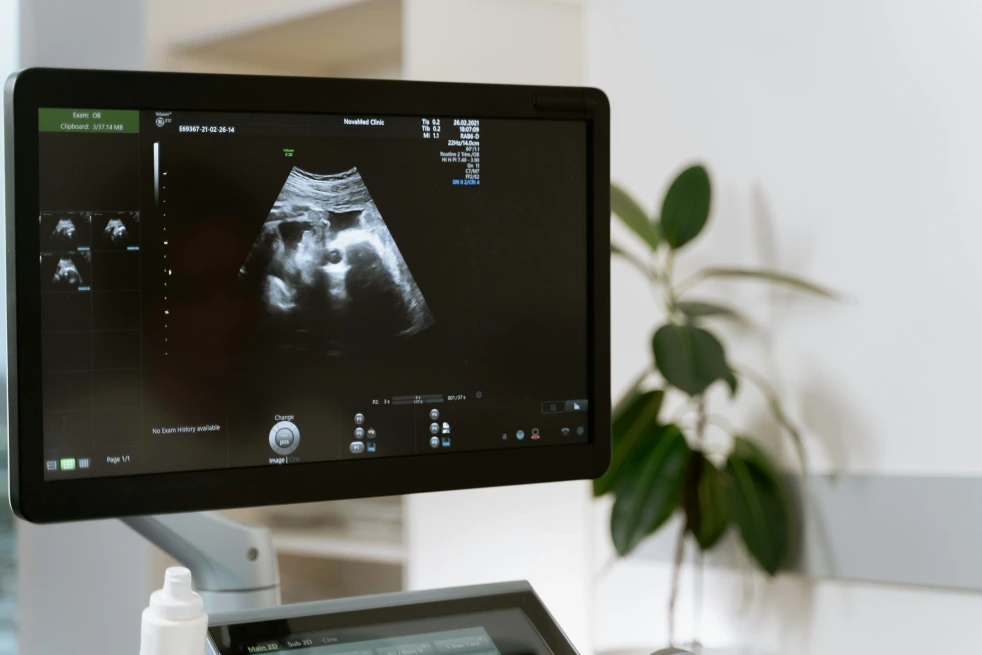
The first trimester is the most critical period for baby development. Major organs including the brain, heart, and spinal cord begin forming during weeks 1–12. This makes early prenatal checkups and pregnancy tests during this trimester especially important.
Booking Visit (Weeks 6–10)
Your first prenatal checkup typically takes place between weeks 6 and 10. During this visit, your gynecologist will confirm the pregnancy, estimate your due date, and assess your overall health. This is also when baseline blood tests and urine tests are ordered.
- Blood Group & Rh Factor Test: Identifies blood type and checks for Rh incompatibility between mother and baby
- Complete Blood Count (CBC): Detects anaemia, infections, and platelet levels
- Urine Test: Screens for urinary tract infections, sugar (diabetes), and protein (kidney issues)
- Thyroid Function Test: Ensures proper hormonal balance essential for early fetal development
- HIV, Hepatitis B & VDRL Tests: Screens for infections that may affect the baby
- Blood Sugar (Fasting & PP): Identifies pre-existing diabetes
Dating Ultrasound Scan (Weeks 6–10)
The dating ultrasound is one of the first prenatal scans performed. It confirms that the pregnancy is developing inside the uterus (ruling out ectopic pregnancy), estimates the gestational age, and checks the baby's heartbeat for the first time. This scan also determines whether you are expecting twins or multiples.
Nuchal Translucency (NT) Scan (Weeks 11–14)
The NT scan is a specialised ultrasound scan that measures the fluid at the back of the baby's neck. An increased measurement can indicate a higher risk of chromosomal conditions such as Down syndrome. It is often combined with a blood test (Double Marker Test) to provide a more accurate risk assessment.
- Screens for Down syndrome and other chromosomal abnormalities
- Combined with Double Marker blood test for better accuracy
- Safe, non-invasive ultrasound scan with no radiation
Second Trimester Prenatal Tests (Weeks 13–26)
The second trimester is often the most comfortable stage of pregnancy. However, several important prenatal tests and scans are scheduled during this period to assess baby development, screen for genetic conditions, and check for gestational diabetes.
Anomaly Scan / 20-Week Scan (Weeks 18–22)
The anomaly scan — also called the mid-pregnancy or 20-week ultrasound scan — is one of the most detailed prenatal scans performed during pregnancy. It checks the baby's organs, spine, limbs, face, and amniotic fluid levels in detail.
- Checks baby's brain, heart, spine, kidneys, and abdominal organs
- Confirms placenta position and amniotic fluid levels
- Identifies structural abnormalities that may require further investigation
- Provides detailed information on baby development and growth
Quadruple Marker Test (Weeks 15–20)
The Quadruple Marker Test (also called the Quad Screen) is a blood test that screens for chromosomal conditions such as Down syndrome (Trisomy 21) and Edwards syndrome (Trisomy 18). It measures four proteins in the mother's blood to calculate the risk level. This test is non-invasive and recommended for all pregnant women, especially those above 35 years of age.
Glucose Challenge / GTT Test (Weeks 24–28)
The Glucose Tolerance Test (GTT) screens for gestational diabetes — a condition where blood sugar levels rise during pregnancy. If left unmanaged, gestational diabetes can cause complications during delivery and affect the baby's health. Your gynecologist at Gani Hospital will advise a dietary plan and closer monitoring if the result is positive.
- Detects gestational diabetes that shows no obvious symptoms
- A simple blood test done after drinking a glucose solution
- Essential for managing pregnancy complications and safe delivery
Third Trimester Prenatal Tests (Weeks 27–40)
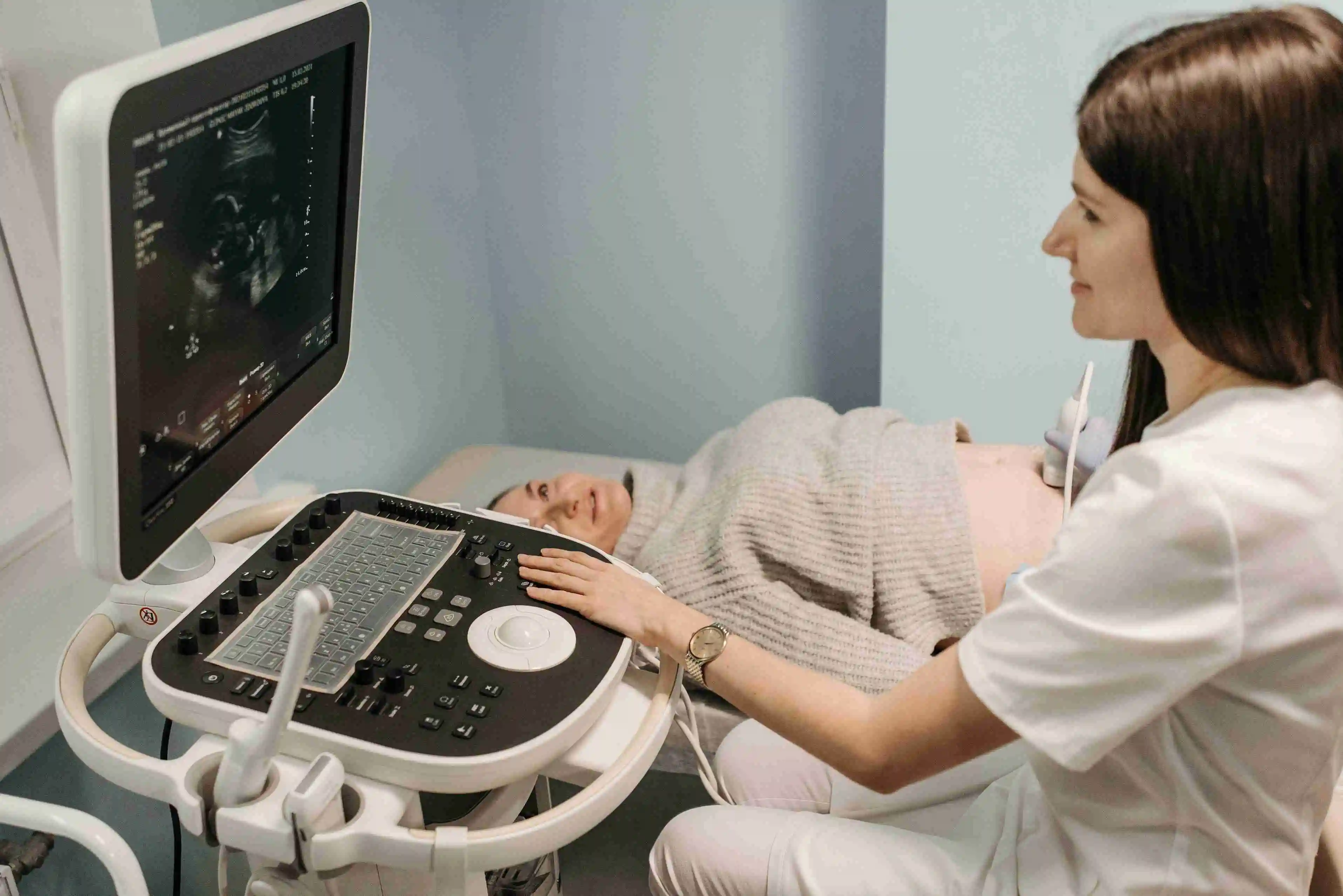
The third trimester is the final stretch of pregnancy. During this stage, prenatal checkups become more frequent — typically every 2 weeks from week 28, and weekly from week 36 onwards. The focus shifts to monitoring the baby's position, growth, and readiness for delivery, as well as checking the mother's blood pressure and overall health.
Growth Scan (Weeks 28–32)
The growth scan is a detailed ultrasound scan that checks the baby's size, weight, and position inside the uterus. It also evaluates amniotic fluid levels and placental health. This prenatal scan helps the gynecologist identify conditions such as intrauterine growth restriction (IUGR) or excess fluid (polyhydramnios).
- Monitors baby development, weight, and position
- Checks placental health and amniotic fluid levels
- Helps plan whether a normal or caesarean delivery is recommended
Non-Stress Test / NST (Weeks 32–40)
The Non-Stress Test (NST) monitors the baby's heart rate in response to its own movements. It is a simple, painless prenatal checkup that checks whether the baby is receiving enough oxygen and is not under stress. The test is especially important for high-risk pregnancies or when the mother notices reduced baby movements.
Blood Pressure & Preeclampsia Monitoring
High blood pressure during pregnancy — particularly in the third trimester — can indicate preeclampsia, a serious condition that can endanger both mother and baby. Regular blood pressure monitoring at every prenatal checkup is essential. Signs to watch for include severe headaches, blurred vision, and sudden swelling of the hands and face.
Group B Streptococcus (GBS) Test (Weeks 35–37)
The GBS test is a simple swab test performed late in pregnancy to check for Group B Streptococcus bacteria. While harmless in adults, GBS can cause serious infections in newborns if passed on during delivery. If positive, your gynecologist will prescribe antibiotics during labor to protect the baby.
How Often Should You Visit the Doctor During Pregnancy?
The recommended frequency of prenatal checkups varies by trimester. Here is the standard schedule followed by gynecologists at Gani Hospital:
- Weeks 1–28 (First & Early Second Trimester): One visit every 4 weeks
- Weeks 28–36 (Late Second & Early Third Trimester): One visit every 2 weeks
- Weeks 36–40 (Final Month): Weekly visits until delivery
- High-Risk Pregnancies: More frequent visits as advised by your gynecologist
In total, a healthy pregnancy typically requires 8–12 prenatal checkups. Women with pre-existing conditions such as diabetes, hypertension, or thyroid disorders may require additional visits. Never skip a scheduled appointment — even when you feel well — as some conditions are only detectable through clinical examination and pregnancy tests.
Essential Prenatal Care Tips for a Healthy Pregnancy
In addition to attending all scheduled prenatal checkups, daily habits and lifestyle choices play a huge role in the health of both mother and baby throughout pregnancy.
- Never skip scheduled prenatal checkups — early detection saves lives
- Maintain a balanced, nutrient-rich diet with adequate iron, calcium, folate, and protein
- Take all prescribed prenatal supplements including folic acid and vitamin D daily
- Report any unusual pregnancy symptoms immediately to your gynecologist
- Stay hydrated — drink 8–10 glasses of water every day
- Get 7–9 hours of sleep and rest regularly, especially in the third trimester
- Avoid alcohol, smoking, raw meat, unpasteurized dairy, and excessive caffeine
- Engage in light exercise such as walking or prenatal yoga as advised by your doctor
- Monitor your baby's movements daily after 28 weeks and report any reduction immediately
Diet and Lifestyle During Pregnancy
A healthy diet and positive lifestyle choices during pregnancy directly support better fetal development and reduce the risk of complications. Your gynecologist will advise a personalised nutrition plan based on your health status and trimester.
- Iron-rich foods: Spinach, lentils, lean meat — essential to prevent anaemia during pregnancy
- Calcium sources: Dairy, sesame seeds, ragi — supports baby's bone and teeth development
- Protein intake: Eggs, pulses, nuts — critical for fetal development and tissue growth
- Folate-rich foods: Leafy greens, fortified cereals — prevents neural tube defects in early pregnancy
- Omega-3 fatty acids: Flaxseeds, walnuts — supports baby's brain development
- Stay hydrated: Drink enough water to support increased blood volume during pregnancy
- Avoid stress and prioritise emotional wellbeing — maternal stress can affect baby's health
At Gani Hospital, our prenatal care team provides personalised dietary and lifestyle guidance at every prenatal checkup to ensure the healthiest possible outcomes for both mother and baby in Ramanathapuram and surrounding areas.
Prenatal Checkups at Gani Hospital, Ramanathapuram
For trusted and comprehensive prenatal checkups in Ramanathapuram, Gani Hospital offers complete pregnancy care services from the first trimester through post-delivery recovery. Our dedicated maternity team is committed to making every stage of your pregnancy safe, comfortable, and well-monitored.
- Experienced gynecologists specialising in normal and high-risk pregnancy care
- Advanced ultrasound scanning facilities for accurate prenatal scans at every trimester
- Full-range pregnancy tests including blood tests, urine tests, and genetic screening
- Regular pregnancy monitoring with personalised care plans for every mother
- Safe delivery environment with modern labour rooms and operation theatres
- 24/7 emergency maternity support for high-risk pregnancies and urgent care
- Postnatal care and newborn health monitoring after delivery
Hundreds of families in Ramanathapuram trust Gani Hospital for safe and expert prenatal checkups and maternity care. Whether you are in your first week of pregnancy or approaching your due date, our compassionate gynecologist team at Gani Hospital is here to guide and support you every step of the way.
Book Your Prenatal Checkup at Gani Hospital
Don't wait — early prenatal care ensures a healthier pregnancy and safer delivery for you and your baby.
Book an Appointment TodayTrusted Medical Resources
For further reading on prenatal care and pregnancy tests, refer to these trusted sources:
Frequently Asked Questions
How many prenatal visits are required during pregnancy?
A healthy pregnancy typically requires 8–12 prenatal checkups. Visits are scheduled every 4 weeks in the first trimester, every 2 weeks from week 28, and weekly from week 36 until delivery. Women with high-risk pregnancies may need additional visits as advised by their gynecologist.
Are ultrasound scans safe during pregnancy?
Yes, ultrasound scans are completely safe during pregnancy. They use sound waves — not radiation — to create images of the baby and are a standard part of prenatal care worldwide. Multiple ultrasound scans are routinely performed throughout pregnancy to monitor fetal development.
Can I skip prenatal tests if I feel healthy?
No. Many serious pregnancy complications — including gestational diabetes, anaemia, and preeclampsia — show no obvious symptoms and can only be detected through prenatal tests. Skipping tests puts both mother and baby at risk. All scheduled prenatal checkups should be attended regardless of how you feel.
What is the most important scan during pregnancy?
All scans serve important purposes, but the anomaly scan (20-week scan) is considered one of the most important prenatal scans. It checks the baby's organs, brain, spine, limbs, and heart in detail, and identifies any structural abnormalities that may require further investigation or medical planning before delivery.
What blood tests are done during pregnancy?
Common blood tests during pregnancy include Complete Blood Count (CBC) to check for anaemia, blood group and Rh factor testing, blood sugar tests to detect gestational diabetes, thyroid function tests, and screening for infections such as HIV, Hepatitis B, and syphilis (VDRL). Additional genetic screening blood tests may also be recommended.
When should I book my first prenatal checkup?
Book your first prenatal checkup as soon as you confirm your pregnancy — ideally between 6 and 8 weeks. Early booking allows your gynecologist to establish your due date, order baseline blood tests, prescribe folic acid and other supplements, and identify any risk factors that need early monitoring.